

Rehabilitative Speech Therapy to Restore Function & Confidence
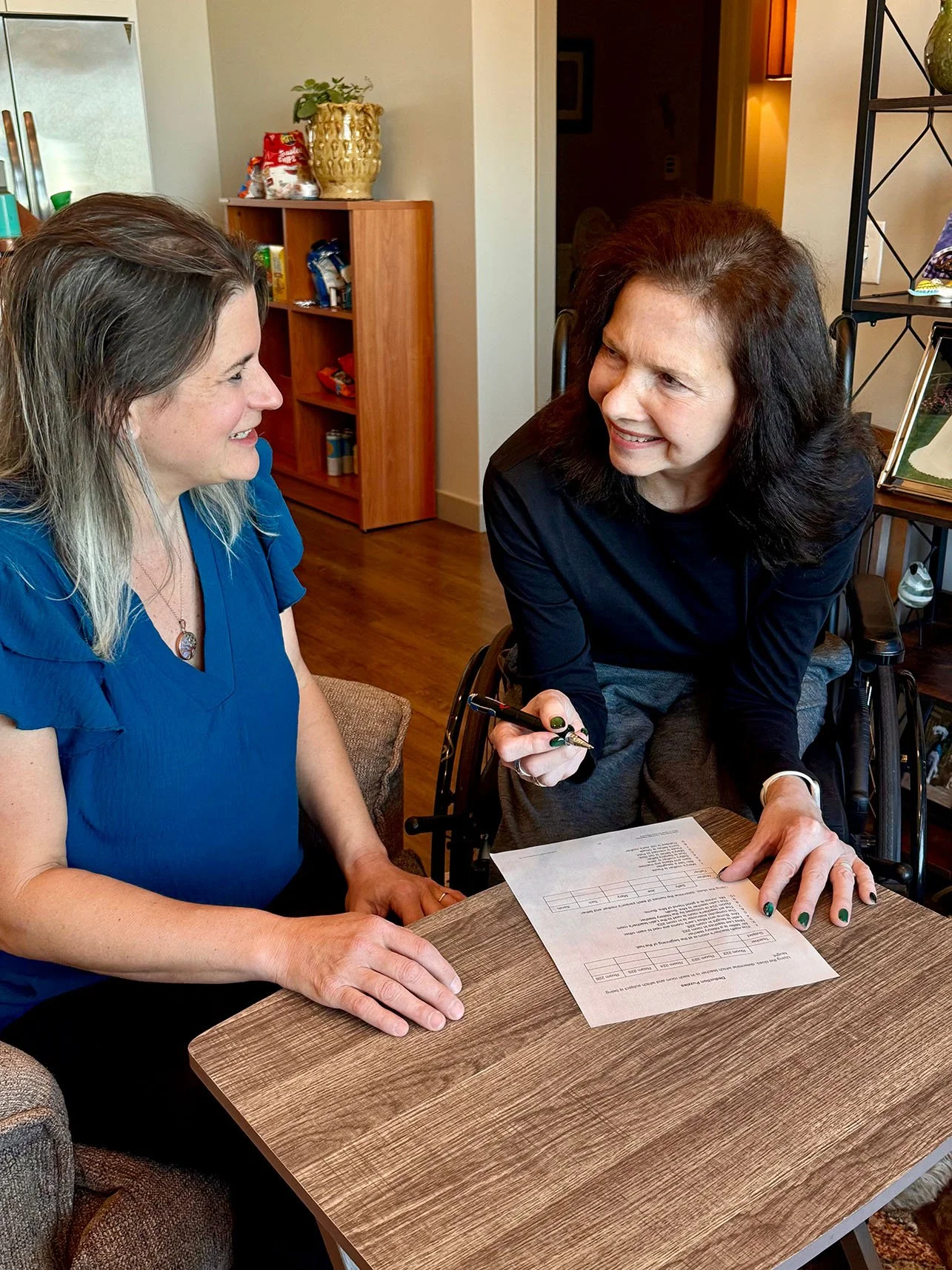
Rehabilitative Therapy for Adults
Whether you’re working through aphasia, dysphagia, cognitive‑communication changes, voice disorders, or fluency challenges, our adult services provide meaningful support and adaptive strategies designed to enhance everyday life, connection, and participation in the roles that matter most to you.
Disorders We Treat
-
Aphasia
Difficulty understanding or expressing language, often resulting from stroke or brain injury
• Language comprehension therapy
• Expression and word-finding support
• Reading and writing rehabilitation -
Dysphagia
Difficulty swallowing solids or liquids safely and efficiently, often resulting from stroke
• Swallowing evaluation and assessment
• Texture modification recommendations
• Safe swallowing strategies and techniques
• Advancing diets including tube feeding to eating by mouth
• Evidence-based oropharyngeal exercises -
Dysarthria
Slurred or choppy speech due to muscle weakness from neurological conditions
• Muscle strengthening exercises
• Speech clarity improvement
• Breathing and voice support -
Voice Disorders
Problems with pitch, volume, or voice quality including hoarseness and breathiness
• Vocal hygiene education
• Voice therapy techniques
• Pitch and volume training -
Fluency Disorders
Stuttering with repetitions or prolongations affecting speech flow
• Fluency shaping techniques
• Stuttering modification therapy
• Confidence building strategies -
Cognitive Communication
Communication difficulties from cognitive impairments affecting memory and attention
• Memory and attention training
• Problem-solving strategies
• Executive function support
Specialized Conditions
-
Head & Neck Cancer
Rehabilitation after cancer treatment affecting speech and swallowing
• Post-surgical rehabilitation
• Quality of life improvement
• Alternative communication methods -
Neurological Conditions
Support for Parkinson's, ALS, MS, and traumatic brain injury
• Progressive disease management
• Adaptive communication strategies
• Caregiver training -
Dementia Care
Communication support for Alzheimer's and other dementias
• Cognitive decline support
• Memory and communication aids
• Family communication strategies -
Stroke-Related Communication Disorders
Rehabilitation for speech, language, and swallowing difficulties following stroke
• Aphasia and language recovery
• Motor speech disorders (dysarthria, apraxia)
• Swallowing and cognitive-communication support

Private Pay Practice
We offer quality speech therapy services with personalized treatment plans.

Super Bill Support
We provide detailed super bills that you can submit to your insurance company for potential reimbursement.